


How to learn a language
What to do on this page
How do you learn a language without turning your life upside down? Yak Yacker’s answer is a free course, Yak Cards, and this stack of short guides — seven languages, no account wall.
If you’ve got ten minutes, start with the habit. The 14-day routine is the runway when you want someone to tell you what day two looks like.
Methods live here too: shadowing, podcasts, movies, graded readers, spaced repetition. Skills guides cover vocab, grammar, listening, writing, and speaking without freezing.
We also review apps, books, and tutors we don’t sell. Use those if you want a person or someone else’s software. Use our lessons if you want the thing we actually built.
Then pick a language and start a free course.
Start here

Build a habit
Ten minutes counts. Skipping a month doesn’t.

Learn in 10 minutes a day
Work, kids, a messy week — ten minutes still counts.
Your 14-day routine
A short runway so you actually start.
Build a study plan
What to do this week, not a five-year syllabus.

Learn as an adult
You don’t need school hours. You need a repeatable slot.

Best way to learn a language
The honest version. Not a guru stack.

Learn a language fast
Faster than a course catalog. Slower than a miracle.

Yak Cards
The daily flip. Spaced review built in.
Learn vocab fast
Lists + review, not colour-coded panic.

How to learn grammar
Enough structure to talk. Not a linguistics degree.
Start speaking without freezing
Say something small. Then say it again.

How long does it take?
Hours, not vibes. FSI numbers included.
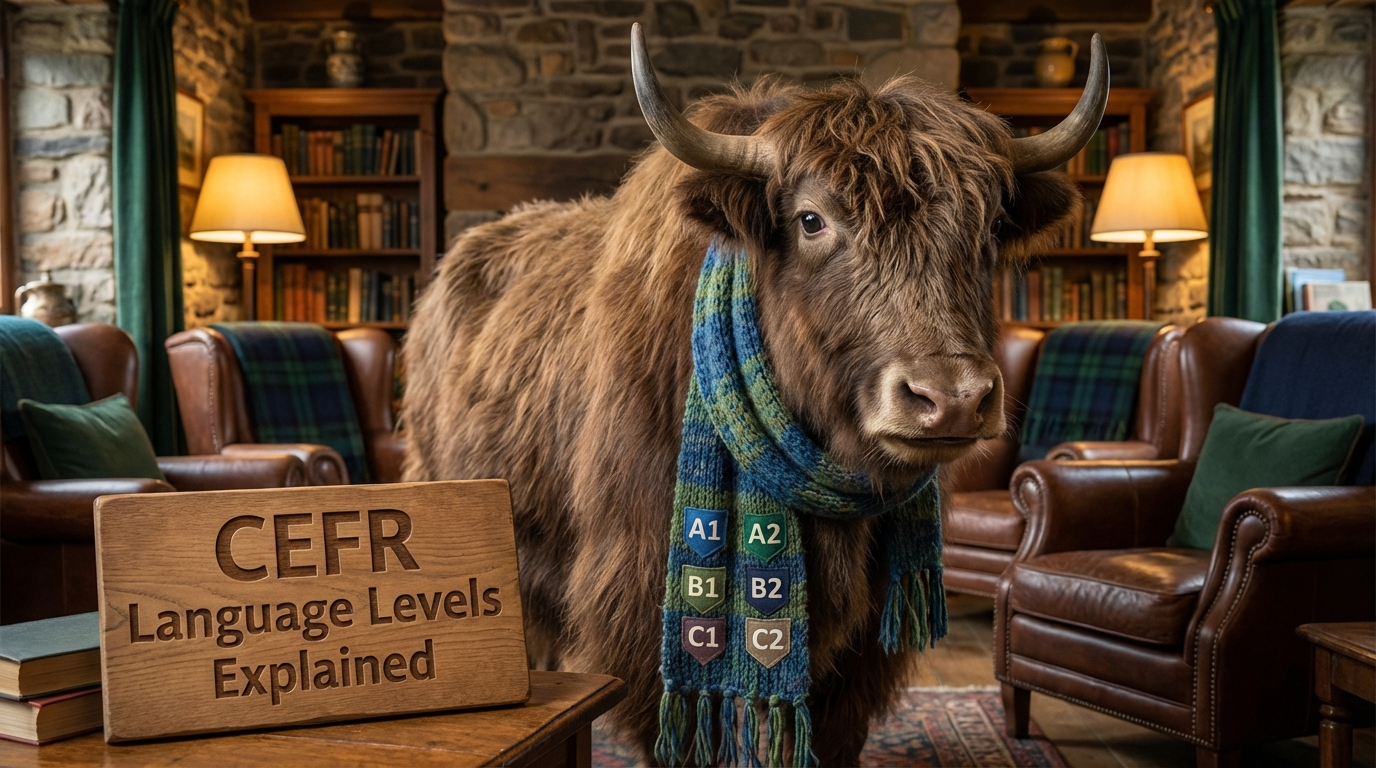
CEFR levels explained
What A1–C2 means. Useful, not universal.

Free language courses
1,000+ lessons. Pick a language and start.
Methods, skills, and reviews

Spaced repetition
See it again, just before you forget.

Comprehensible input
Read and hear things you mostly get.

Shadowing
Repeat out loud. Ugly at first. That’s the point.

How to use graded readers
Finish a story at your level.
Learn with podcasts
Ears on. Phone in a pocket.

Movies and subtitles
Watch how people actually talk.

Immerse at home
You don’t need a plane ticket.

Stop translating in your head
Think in the language, even if it’s slow.
Practice listening
Train your ears on purpose.

Practice writing
Short, often, not perfect.

Daily reading practice
A page you can finish beats a book you abandon.

Journaling prompts
A few lines a day, in the language.

Break through a plateau
When it feels stuck, change the input.

Handle mistakes
You will make them. That’s the data.
Get corrections and feedback
Someone has to tell you when it’s off.

FSI language hours
How long governments think it takes.

CEFR and ACTFL
Track progress with the labels people actually use.

Best language-learning apps
What we’d pay for. What we wouldn’t.

Best books and resources
Textbooks, podcasts, readers you can buy.

Best resources by goal
Pick a tool by what you want to do.

How to work with an online tutor
Don’t waste the hour.

How to work with an in-person tutor
Same idea, in a room.

Best online language tutors
iTalki, Preply, and who they’re for.
Flashcards that don’t suck.
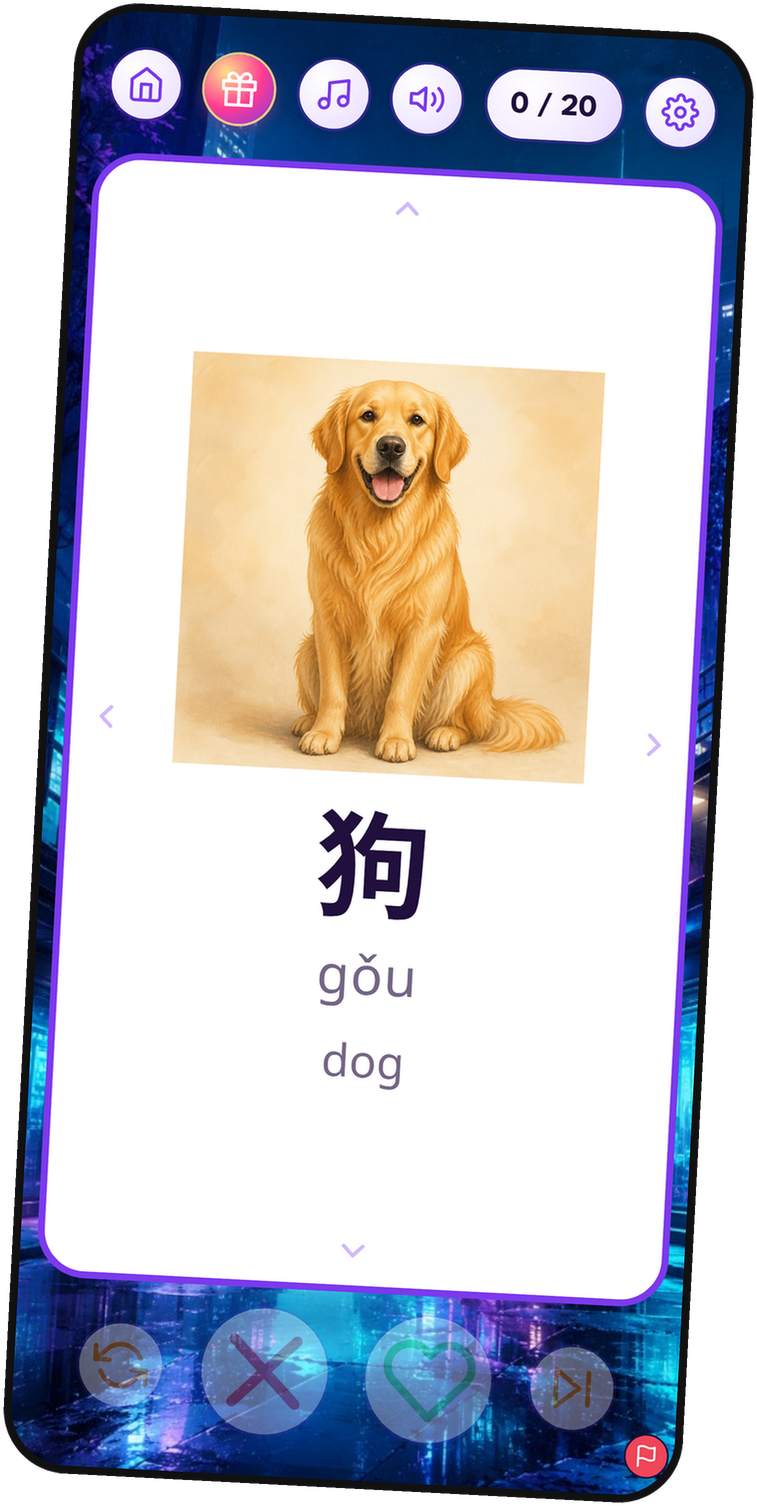
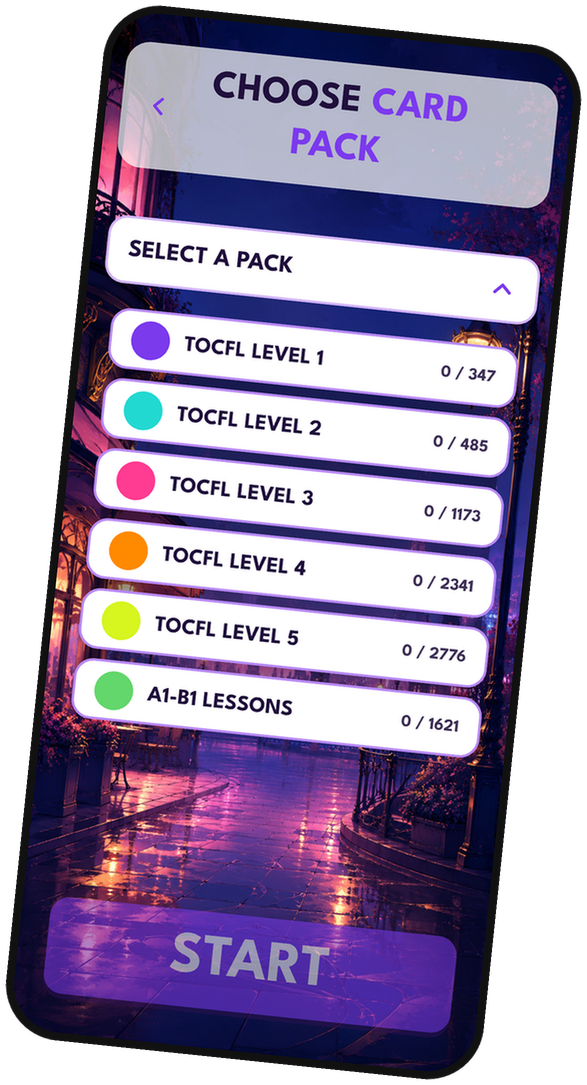
A better way to practice every day — without getting sick of it.
Open Yak Cards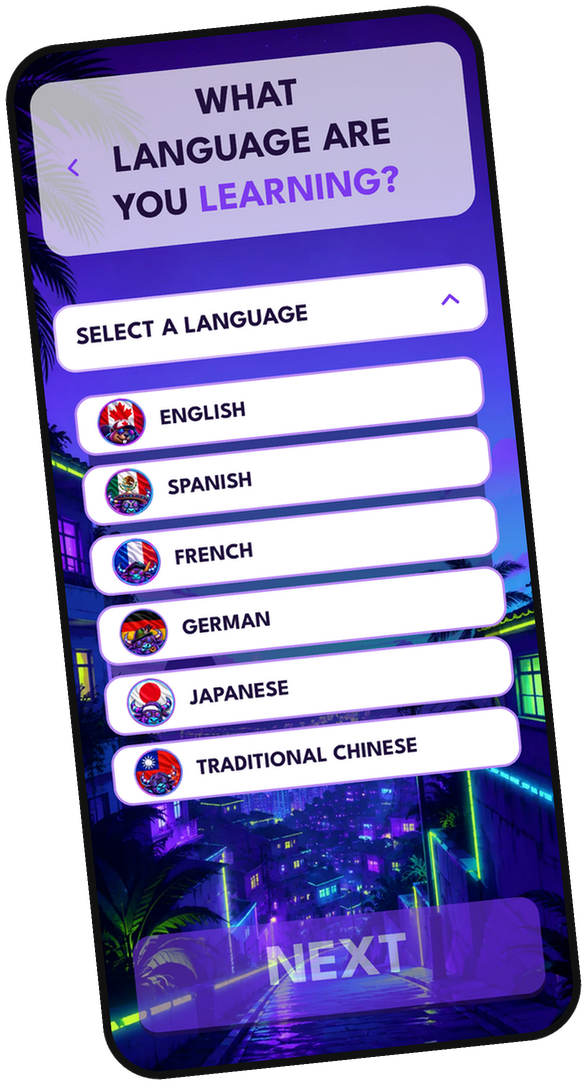
1,000+ free lessons. Pick a language and start.
A1 to B1, with audio, quizzes, and speaking. English has 139. Jump into lesson 1, or see every course.